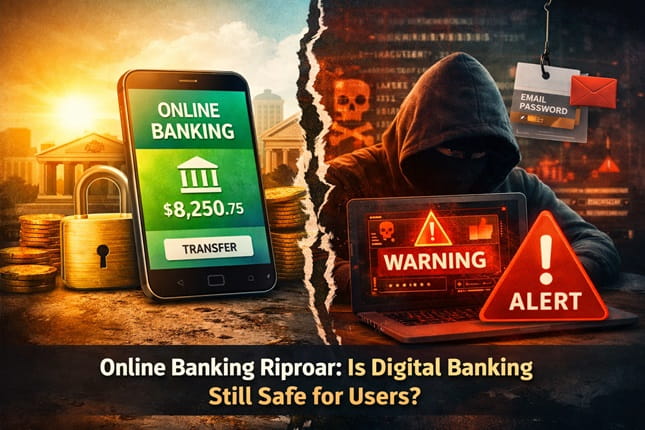
Online banking was supposed to make life easier. No lines, no paperwork, no branch visits. For a while, it worked. But now, a growing online banking riproar is raising serious questions. Reports from sources like Riproar Tech show increasing concerns over hacked accounts, frozen funds, poor customer support, and privacy issues.
So the real question is simple: Is digital banking still safe for users, or are the risks catching up with the convenience?
Let’s break it down honestly.
Why Online Banking Is Under Fire
The online banking riproar didn’t start overnight. It grew slowly as more people moved their money to apps and digital platforms. As usage increased, so did problems.
Users are frustrated by:
- Rising online fraud
- Slow or automated customer support
- Sudden account freezes without explanation
- Data leaks and privacy worries
Social media and consumer forums are filled with complaints. Many users feel they’ve lost control over their own money.
What the Online Banking Riproar Really Means
The term “online banking riproar” reflects public anger, not just technical issues. It’s about trust.
People trusted digital banks with savings, salaries, and businesses. When access is blocked or money goes missing, the damage isn’t just financial—it’s emotional. Users expect fast service from digital platforms, but when something goes wrong, help often feels unreachable.
This gap between promise and reality is fueling the backlash.
How Online Banking Works Today
Modern online banking relies on apps, cloud servers, and automated systems. Transactions happen instantly. Accounts are monitored by algorithms instead of humans.
This setup offers speed and convenience, but it also means:
- Decisions are automated
- Support is often ticket-based
- Errors can take days or weeks to fix
Most users don’t see this side until there’s a problem.
Main Safety Concerns Behind the Riproar
Cybersecurity Threats
Phishing emails, fake banking apps, and scam messages are increasing. Many attacks look real and target everyday users, not experts.
Once attackers gain access, funds can disappear within minutes.
Data Privacy Issues
Digital banks store large amounts of personal data. Some share information with third-party services. When users don’t know where their data goes, trust breaks down.
Account Freezes and Access Problems
One of the biggest complaints is sudden account suspension. Sometimes it’s due to fraud checks, but users often receive no clear explanation. Getting access back can take weeks.
Are Online Banks Less Safe Than Traditional Banks?
Online banks are not automatically unsafe. Most use strong encryption and follow regulations. However, traditional banks still have advantages:
- Physical branches
- Human customer service
- Clear escalation processes
Digital banks rely heavily on automation. When systems fail, users feel helpless. That’s where traditional banks still win.
What Banks Are Doing to Improve Security
To control the online banking riproar, banks are improving systems:
- Two-factor authentication
- Biometric logins
- AI-based fraud detection
- Stronger compliance rules
These steps help, but they don’t fix customer service issues completely.
What Users Can Do to Stay Safe

Users also play a role in digital banking safety:
- Use strong, unique passwords
- Never click unknown links
- Keep banking apps updated
- Monitor transactions daily
- Contact the bank immediately if something feels off
Awareness reduces risk more than people realize.
Real User Experiences Driving the Riproar
Many users report the same pattern:
- Account hacked or flagged
- Funds frozen
- Support responds slowly or not at all
- Issue takes weeks to resolve
Even when money is recovered, trust is often gone. These stories spread fast online and intensify public concern.
Is Digital Banking Still Worth Using?
Digital banking is still useful, especially for:
- Small transactions
- Everyday payments
- Quick transfers
But relying on one digital platform for all your money may not be wise. Many users now keep a mix of online and traditional banking to reduce risk.
Final Verdict: Should You Trust Online Banking?
Yes—but cautiously.
Online banking is not unsafe by default. The real danger comes from over-reliance, lack of awareness, and poor support systems. The online banking riproar is a warning, not a signal to panic.
Digital banking works best when users stay informed, spread their risk, and choose platforms carefully.
Convenience is valuable—but control and trust matter more.